Polyaluminium Chloride (PAC) is a chemical commonly used in the field of water treatment. It is a highly effective flocculant made by mixing aluminium salts with aluminium chloride.PAC is widely used in water treatment to purify and improve water quality.
In the water treatment process, PAC plays a crucial role in promoting coagulation, flocculation and precipitation. It can effectively remove pollutants such as suspended matter, turbidity, colour, organic matter and heavy metals from water, thus improving water quality. Compared with traditional aluminium or iron salt flocculants, PAC offers better flocculation and lower dosage requirements.
The chemical nature and composition of PAC play an important role in its water treatment performance. It usually consists of various aluminium hydroxides polymerized to form a polymer structure. This polymer is available in a variety of forms and degrees of ionization, which can be adapted and optimized for different water treatment needs.
As an efficient water treatment agent, PAC has a wide range of applications in both drinking water treatment and industrial water treatment. It not only effectively removes contaminants from water, but also improves water visibility and transparency. In addition, PAC can assist in regulating the pH value of water and inhibit the growth of microorganisms, thus ensuring the safety and reliability of water.
In drinking water treatment, PAC is widely used in process steps such as water purification, flocculation and sedimentation, and filtration. It can purify turbid substances, suspended matter, organic matter and bacteria in the water to ensure that the quality of drinking water meets health standards.
In industrial water treatment, PAC is often used in wastewater treatment, circulating cooling water treatment and industrial water reuse treatment and other application scenarios. It can efficiently remove pollutants from wastewater and reduce the concentration of suspended solids in water and the generation of sediments. This helps to protect the environment, improve the sustainable use of water resources, and comply with industrial production requirements and regulations.
In conclusion, PAC plays an important role in drinking water treatment and industrial water treatment as a multifunctional water treatment agent. Its superior flocculation and sedimentation properties make it a key tool for improving water quality, purifying water sources and protecting the environment. With the increasing importance of water resource management and the requirements of sustainable development, PAC water treatment technology will continue to be widely used and constantly devel
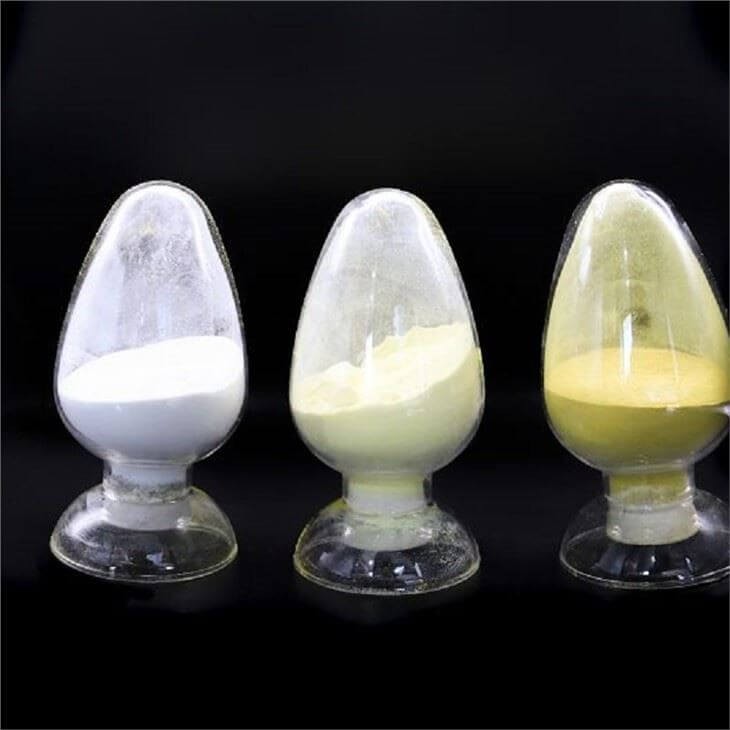
PAC has a wide range of uses and applications. It plays an important role in drinking water treatment and industrial water treatment. In drinking water treatment, PAC is mainly used in process steps such as water purification, flocculation and precipitation and filtration. In industrial water treatment, PAC is often used in wastewater treatment, circulating cooling water treatment and industrial water reuse treatment.
PAC has many advantages over traditional aluminum or iron salt flocculants. First of all, PAC has higher flocculation effect and lower dosage requirement. This means that in practical application, the use of PAC can achieve better water purification effect, and can reduce the amount of chemicals used. In addition, PAC has better adaptability and stability, can adapt to different water quality conditions, and maintain stable flocculation performance. Compared with other agents, PAC also has lower aluminum residue and less generation of by-products, thus reducing the risk of secondary pollution of water quality.
The chemical nature and composition of PAC plays an important role in its water treatment performance. It is usually formed by the polymerization of a variety of aluminum hydroxides to form a polymer structure. This polymer has a variety of forms and degrees of ionization that can be adjusted and optimized for different water treatment needs.
As an efficient water treatment agent, PAC has a wide range of applications in both drinking water treatment and industrial water treatment. It not only effectively removes contaminants from water, but also improves water visibility and transparency. In addition, PAC can assist in regulating the pH value of water and inhibit the growth of microorganisms, thus ensuring the safety and reliability of water.
With the increasing importance of water resource management and the requirements of sustainable development, PAC water treatment technology will continue to be widely used and evolve. Through continuous research and innovation, the application of PAC will be further optimized to improve water quality, purify water sources and protect the environment.
Drinking water treatment is an important process to ensure that people have access to safe and clean drinking water.PAC as a key water treatment chemical plays an important role in drinking water treatment.

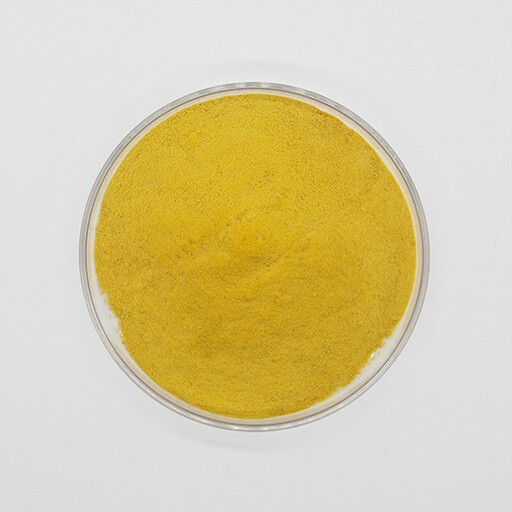
The application of PAC in drinking water treatment mainly involves purification and flocculation processes. First of all, it can effectively remove suspended solids and turbidity in water. When PAC is added to the water, it reacts chemically with the suspended matter in the water to form flocs that become larger and heavier for settling or filtration. Secondly, PAC is also able to remove organic matter and color from water. Organic matter is usually a source of pollution in water, and PAC can combine with organic matter and precipitate it, thus purifying the water. In addition, PAC is able to reduce the amount of metal ions in water, such as iron and manganese.
When using PAC for drinking water treatment, water quality parameters need to be monitored and regulated. First of all, the dosage of PAC needs to be adjusted according to the characteristics of water quality and treatment objectives. Water quality parameters such as turbidity, color, organic matter content and metal ion content need to be controlled within an appropriate range. In addition, pH is also an important parameter because the flocculation effect of PAC is affected by pH. In practice, according to different water quality characteristics and treatment objectives, the dosage of PAC and pH value can be adjusted to achieve the best flocculation effect.
There are many advantages of using PAC in drinking water treatment. Firstly, it has efficient flocculation performance, which can remove pollutants in water and improve water quality. Secondly, the dosage of PAC is relatively low, which reduces the amount and cost of chemicals used in the treatment process. In addition, PAC has a low risk of aluminum residue and generation of by-products, which is conducive to maintaining the safety of water quality.
By applying PAC in drinking water treatment, we are able to ensure that the drinking water is safe and clean and meets hygiene standards. The application of PAC in drinking water treatment plays a key role in protecting public health and providing high quality drinking water. With the continuous advancement and innovation of technology, we can look forward to the continued development and application of PAC water treatment technology in the field of drinking water.
Industrial water treatment is an important part of ensuring that the water resources used in industrial processes and production meet the requirements.PAC, as a key water treatment chemical, plays an important role in industrial water treatment.
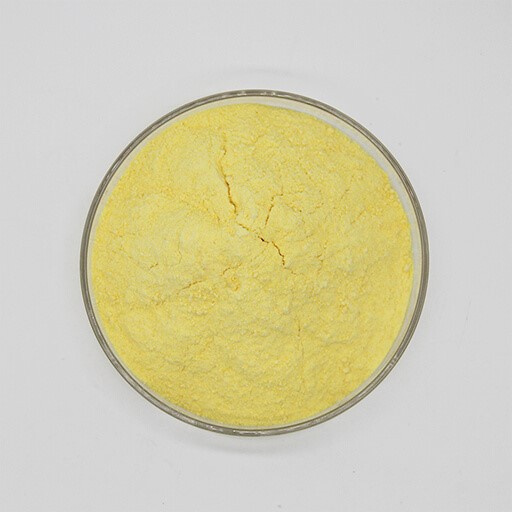
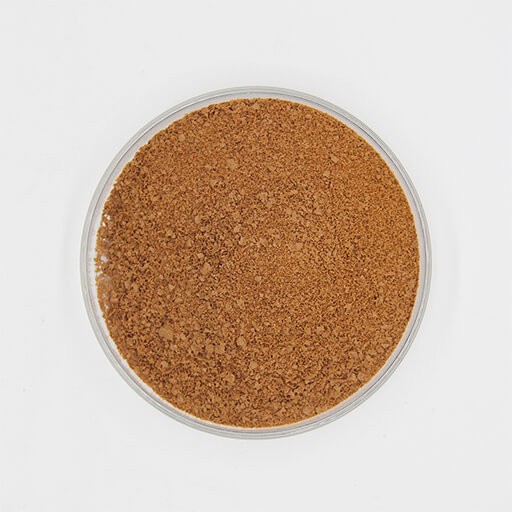
In industrial water treatment, PAC is mainly used in sedimentation and sludge treatment. When PAC is added to wastewater, it reacts chemically with suspended matter, color and organic matter in wastewater, prompting them to aggregate into larger particles, thus facilitating sedimentation and separation. Through the sedimentation process, PAC can effectively remove solid particles and pollutants from wastewater and purify wastewater. In addition, PAC also plays an auxiliary role in sludge treatment. It can combine with the organic matter in sludge to induce settling and coagulation, thus reducing the volume of sludge and facilitating subsequent treatment and disposal.
Industrial water reuse treatment is an important water management and environmental protection measure, and PAC plays an important role in industrial water reuse treatment. Through the application of PAC in industrial water reuse treatment, the wastewater can be treated and reused in the industrial production process, PAC can effectively remove the pollutants in the wastewater, reduce the concentration of suspended solids and organic matter, so that the reuse water reaches the water quality standard that meets the requirements of the industry. This not only reduces the demand for freshwater resources, but also helps to reduce wastewater discharge and environmental pollution.
The use of PAC in industrial water treatment has many advantages. First, PAC has a high flocculation capacity and settling speed, which can efficiently remove suspended solids and pollutants in wastewater. Secondly, compared with traditional water treatment chemicals, the dosage of PAC is relatively low, which reduces the amount and cost of chemicals used in the treatment process. In addition, PAC also has a low risk of aluminum residue and generation of by-products, which is conducive to maintaining the safety of water quality.
By applying PAC for industrial water treatment, we are able to realize the purification and reuse of wastewater and achieve the goal of sustainable development and environmental protection. The application of PAC in industrial water treatment plays a key role in protecting the environment, improving the efficiency of resource utilization and meeting the needs of industrial production. With the continuous progress and innovation of technology, we can expect the continuous development and application of PAC water treatment technology in the field of industrial water treatment.
Using PACs for water treatment is a complex and critical process, here are some recommendations and best practices for using PACs to ensure their effectiveness and safety:
Selecting the right PAC product is very important. When selecting a PAC, you need to consider the water quality characteristics, treatment objectives, and desired flocculation effect. Different types of PAC may have different degrees of polymerization and ionization, so the appropriate product needs to be selected on a case-by-case basis.
PAC dosing equipment and handling methods are critical to achieving optimal results. The dosing equipment should have good mixing and dissolution capabilities to ensure that the PAC is evenly dispersed in the water. The method of dosing can be chosen according to the specific needs of the application, such as using a flow-through dosing system or a static mixer. In addition, the dosage should be adjusted according to the water quality characteristics and treatment objectives, and follow the manufacturer's recommendations and operating instructions.
In order to assess and monitor the effectiveness of PAC, appropriate analytical methods and indicators need to be used. Common monitoring indicators include turbidity, color, suspended solids concentration, organic content, and metal ion concentration. These indicators can be measured and recorded through laboratory tests or online monitoring systems. Through regular effect evaluation and monitoring, the PAC dosage and operating conditions can be adjusted in a timely manner to achieve the desired water quality treatment effect.
Optimizing the PAC dosing system is also an important task. Regularly check the operating conditions of the dosing equipment to ensure its normal operation and maintenance. In addition, the dosing equipment and piping should be cleaned regularly to avoid clogging and accumulated dirt to keep the dosing system running efficiently.
It is also important to consider the by-products and environmental impacts of PAC. Sludge and waste generated during the treatment process need to be properly handled and disposed of to avoid negative impacts on the environment. This can be achieved through compliant sludge treatment systems and waste management to ensure compliance with environmental requirements.
As the global water resources become more and more strained, the importance of water resources management is becoming more and more prominent, and PAC water treatment technology plays an important role in water resources management. Future trends will focus more on the sustainable use and recycling of water resources. PAC, as a highly efficient flocculant, can help purify and treat wastewater for reuse of wastewater and reuse of resources. In addition, with the development of water quality monitoring and data analysis technology, the use and effect assessment of PAC will be more intelligent and refined to achieve more efficient, water-saving and environmentally friendly water resource management.
Another important trend is the sustainable and environmentally friendly water treatment technology. PAC, as an environmentally friendly agent, has a low risk of aluminum residue and generation of by-products in the water treatment process. Future development will focus more on the research and development of more environmentally friendly and biodegradable PAC products to further reduce the impact on the environment.